Himbon Coffee Table Book: A Tangible Legacy of Artistic Excellence
The Himbon Coffee Table Book, launched on July 5, 2026, marks a significant milestone in the eighth year of the Himbon Contemporary Ilonggo Artists Group. More than a commemoration, the 110-page publication celebrates a collective that continues to grow, create, and shape the contemporary art landscape of Iloilo and Western Visayas. It is at once a celebration of the group’s achievements, a reflection of its present vitality, and a testament to a journey that is still unfolding.


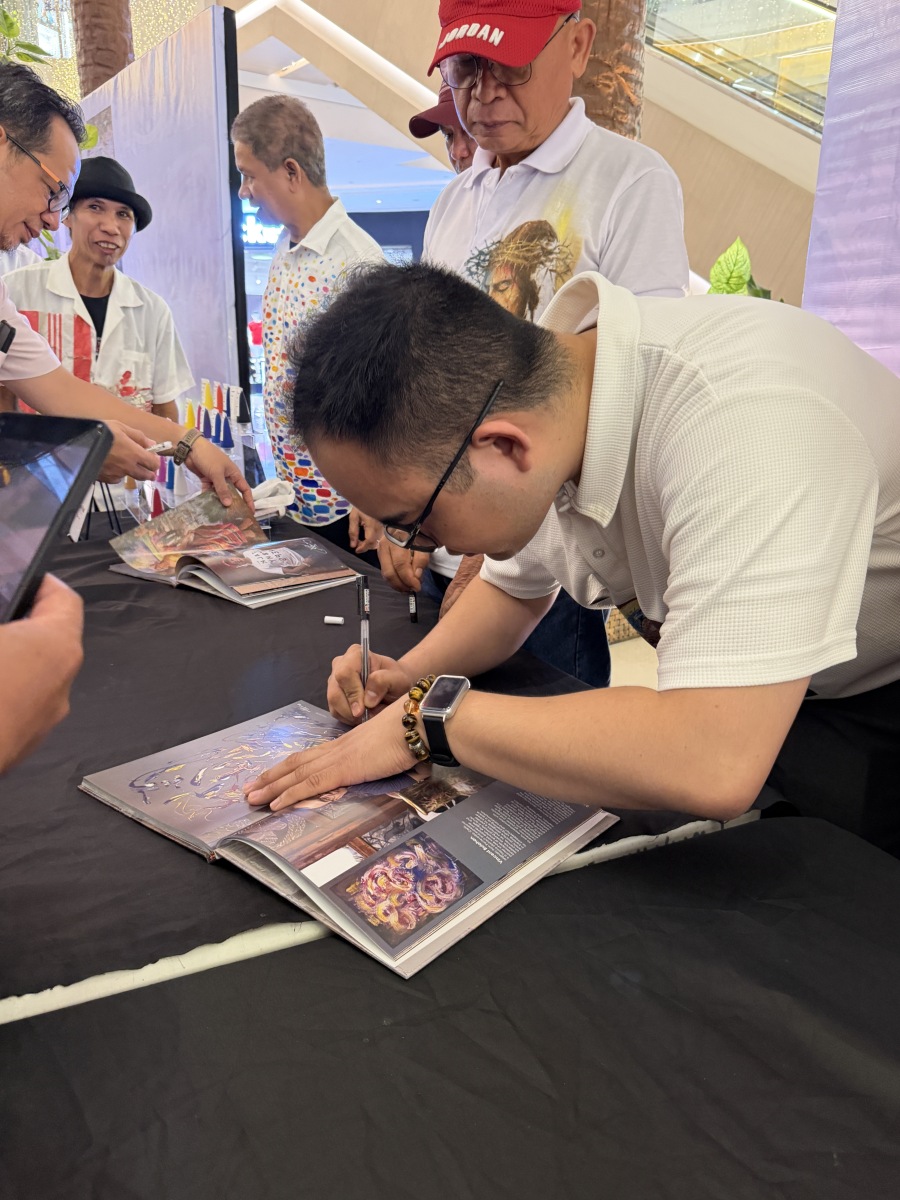


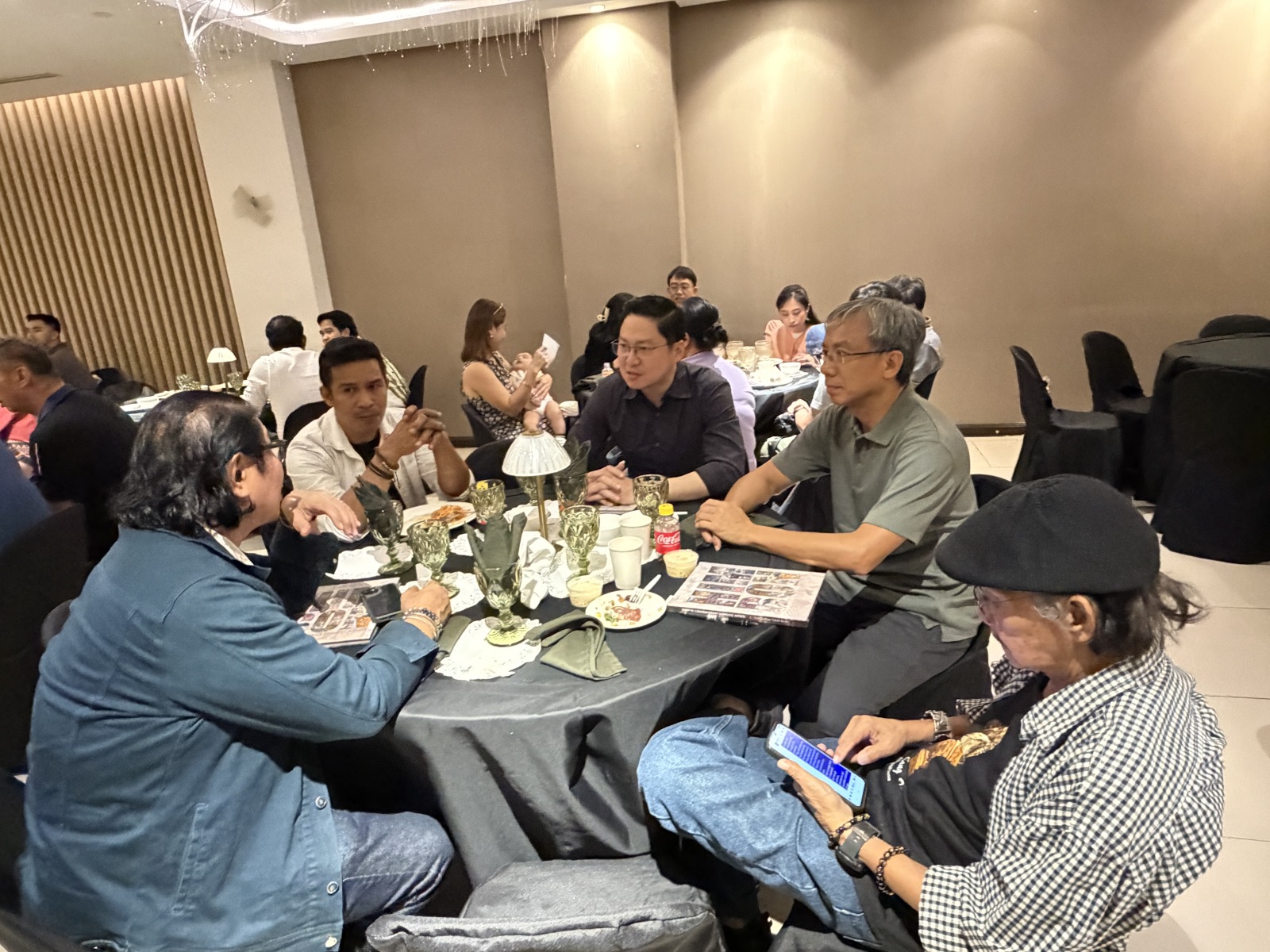
“Himbon proves to be a strong force of artistic influence with the publication of its first-ever Himbon Coffee Table Book. A tangible legacy encapsulating Himbon’s contributions in art within Iloilo and the region, this book features the artists and their works, with highlights of their achievements in the field of art,” said Himbon president Carol Salvatierra.
Since its establishment in September 2017 by Gina Apostol, Marrz Capanang, Vic Fario, and Harry Mark Gonzales, Himbon—derived from the Hiligaynon word meaning “to come together and assemble”—has steadily established itself as one of the region’s leading artist collectives, creating opportunities for artistic exchange, exhibitions, public engagement, and collaborative projects.
True to its name, Himbon has grown into Iloilo’s largest multidisciplinary artists’ organization, bringing together members from across Panay and Guimaras Islands who represent an expansive range of creative disciplines. Its community includes practitioners of painting, drawing, sculpture, animation, music, theater, literature, digital art, and other visual art practices.
Many members likewise integrate artistic practice into their professions as designers, architects, art curators, draftsmen, printmakers, furniture makers, educators, community servants, public intellectuals, activists, service industry professionals, and healthcare frontliners. The breadth of its membership reflects the collective’s belief that creativity flourishes through diversity, collaboration, and shared purpose.


The publication of the Himbon Coffee Table Book reflects this continuing journey. It presents a portrait of a collective in constant motion—one that continues to nurture artists, mount exhibitions, undertake collaborative projects, and contribute to the cultural life of the region.
A Living Archive Between Covers
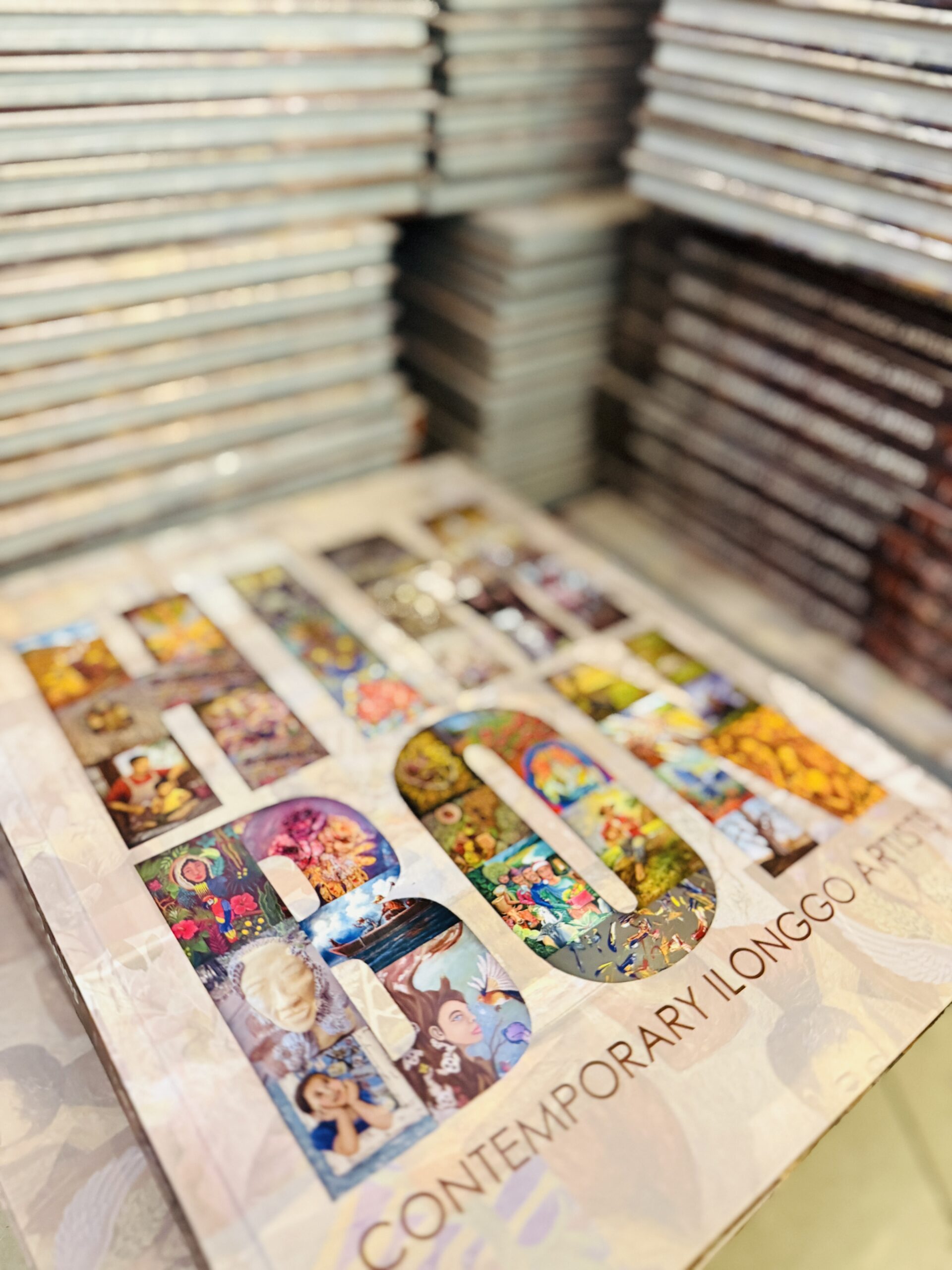
Even before the book is opened, its cover announces its collective identity.
The design adopts a treatment reminiscent of the letras y figuras tradition, where letterforms become pictorial fields. Here, the word HIMBON is animated by reproductions of members’ artworks embedded within each letter, transforming the title into both inscription and image. The design visually expresses the collective’s founding principle—that Himbon is formed through the coming together and assembly of individual artistic voices into a shared creative identity.
The publication likewise functions simultaneously as a catalogue, documentary record, and celebration of artistic practice.
It features profiles of member-artists alongside reproductions of their works, highlighting each artist’s signature style, preferred medium, and creative narrative. Collectively, the pages reveal the richness and diversity of artistic expressions that define Himbon while reflecting the evolving character of contemporary art in Western Visayas.
Beyond the artists’ profiles, the volume chronicles the collective’s institutional journey through a timeline of exhibitions, documentation of major art projects, a photographic album of memorable events, a members’ directory, and other historical materials. Together, these elements document not only where Himbon has been but also the vibrant creative community it continues to cultivate.
The Himbon Coffee Table Book is likewise the product of collaboration.
It was put together by a publication committee composed of Aivee Genson, Althea Villanueva, Mark Vincent Java, Carol Salvatierra, Edgardo Saulda Gonzales Jr., Rachelle Acla Kim, and Vic Nabor, whose collective efforts transformed years of artistic practice, exhibitions, and documentation into a publication that preserves the story of the organization while celebrating its continuing evolution.
Witnesses of the Humble Journey
The publication also reflects the guidance of two respected figures in Iloilo’s art and cultural community who have served as advisers and mentors to Himbon Contemporary—artist Ed Defensor and Prof. Martin Genodepa, director of the UP Visayas Office of Initiatives for Culture and the Arts.
For Defensor, the Himbon Coffee Table Book records a journey he has witnessed since the collective’s earliest beginnings.
“As adviser to the Himbon Contemporary Artists Group, I have had the privilege of witnessing its journey from the very beginning. Formed within the modest space of my studio-residence, the group emerged at a time when the survival of art collectives in Iloilo was far from certain. Our city has seen many such groups rise with promise, only to fade with time,” he said.
That Himbon has endured, Defensor observed, is itself a testament to the collective’s commitment, resilience, and shared vision. Over the years, he has witnessed its transformation from a loose assembly of individual practitioners into a dynamic and cohesive organization united by artistic growth, technical development, and a determination to pursue excellence.
“What sets Himbon apart is its willingness to confront challenges head-on, never retreating, always pushing forward in pursuit of excellence,” Defensor noted.
He cited the Dinagyang mural at Iloilo City Esplanade 1 as one of the group’s landmark achievements, describing it as a work that has captured the spirit of Ilonggo culture while becoming an important visual landmark that contributes to Iloilo City’s evolving identity as a center for contemporary art.
Art for Art Sake
While Defensor emphasizes Himbon’s historical development, Genodepa underscores the values that have sustained the collective through the years.
Despite the challenges and changes experienced by many artist organizations, Genodepa noted that Himbon has remained faithful to its original purpose of being a home for artists. By supporting established practitioners while welcoming young and aspiring creatives, the group has fostered an environment where experience is shared, new voices are encouraged, and artistic exploration continues across generations.
He stressed that art communities thrive when creativity is nurtured collectively. Artist groups, he explained, are more than organizations; they become spaces where personal artistic pursuits grow through dialogue, mentorship, and mutual encouragement. Ideas are exchanged freely, talents are cultivated, and artistic confidence develops through shared experience.
Genodepa likewise observed that Himbon has remained grounded in the simple yet enduring principle of creating art for its own sake.
Rather than being defined by shifting trends, rigid aesthetics, or external pressures, the collective continues to value artistic freedom and respect for individual expression. This openness, he said, has enabled Himbon to remain resilient at a time when many art groups have disappeared.
Equally important is the camaraderie that binds its members together. Friendship, mutual respect, and a willingness to support one another have allowed artists within the collective to learn, flourish, and develop their own creative voices without sacrificing individuality.
As Himbon Contemporary Ilonggo Artists Group enters its ninth year, the publication stands not as the conclusion of its story but as a milestone within it—a tangible legacy of what the collective has accomplished and a living testament to the artists who continue to come together, create together, and shape the future of contemporary art in Iloilo and Western Visayas.

