Patubas Aning Ani at ILOMOCA: Harvests of Practice and Traces of Excellence
The Iloilo Museum of Contemporary Art (ILOMOCA) opened Patubas: Aning Ani — Works of Philippine Art Awards Laureates from the Edwin V. Valencia Collection on May 2, 2026. The exhibition evokes a season of harvest, bringing together works that reflect both abundance and the enduring trajectory of artistic excellence shaped by Ilonggo artists over the years.
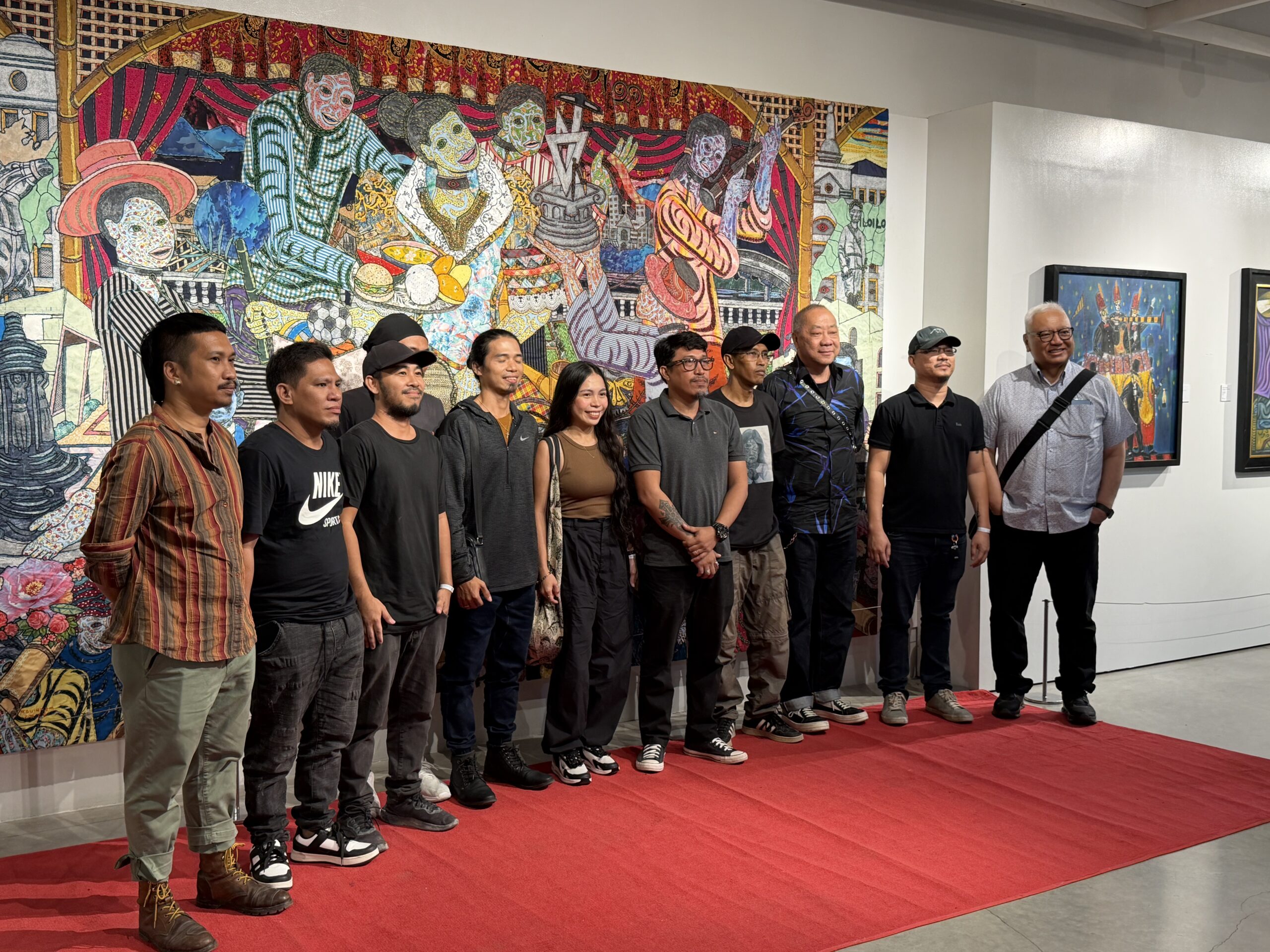
Conceived under the auspices of the Promoting Advocacy for the Arts Foundation, Inc., the exhibition gathers works that trace the arc of artistic practice formed through recognition, sustained labor, and the passage of time.
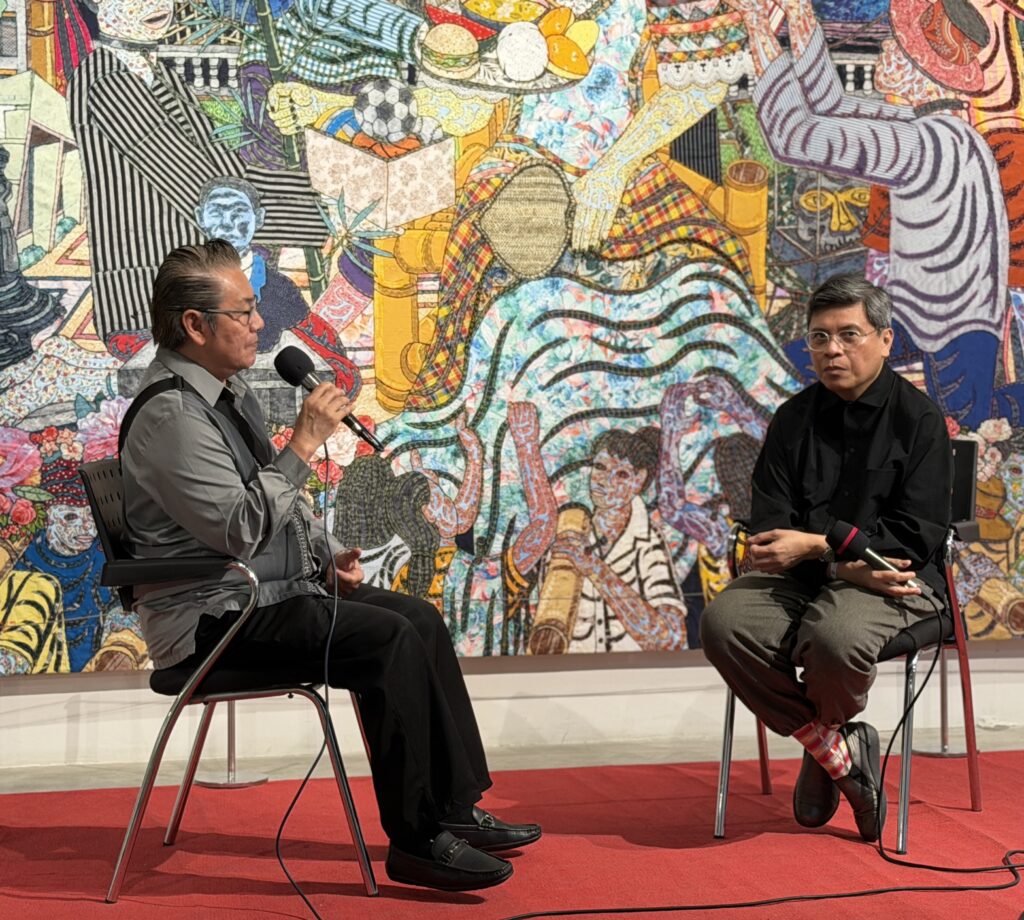
Curated by Amado Alvarez, Director for Programs and Exhibitions of Megaworld Museums, the opening unfolded not merely as ceremony but as a space for critical reflection. It commenced with a dialogue between esteemed art writer and critic Cid Reyes and Dr. Patrick Flores, Chief Curator of the National Gallery Singapore. Their conversation considered the conditions shaping Philippine art and artists, the position of Iloilo within the national art landscape, the role of collectors, and the shared responsibilities within the broader art ecosystem.
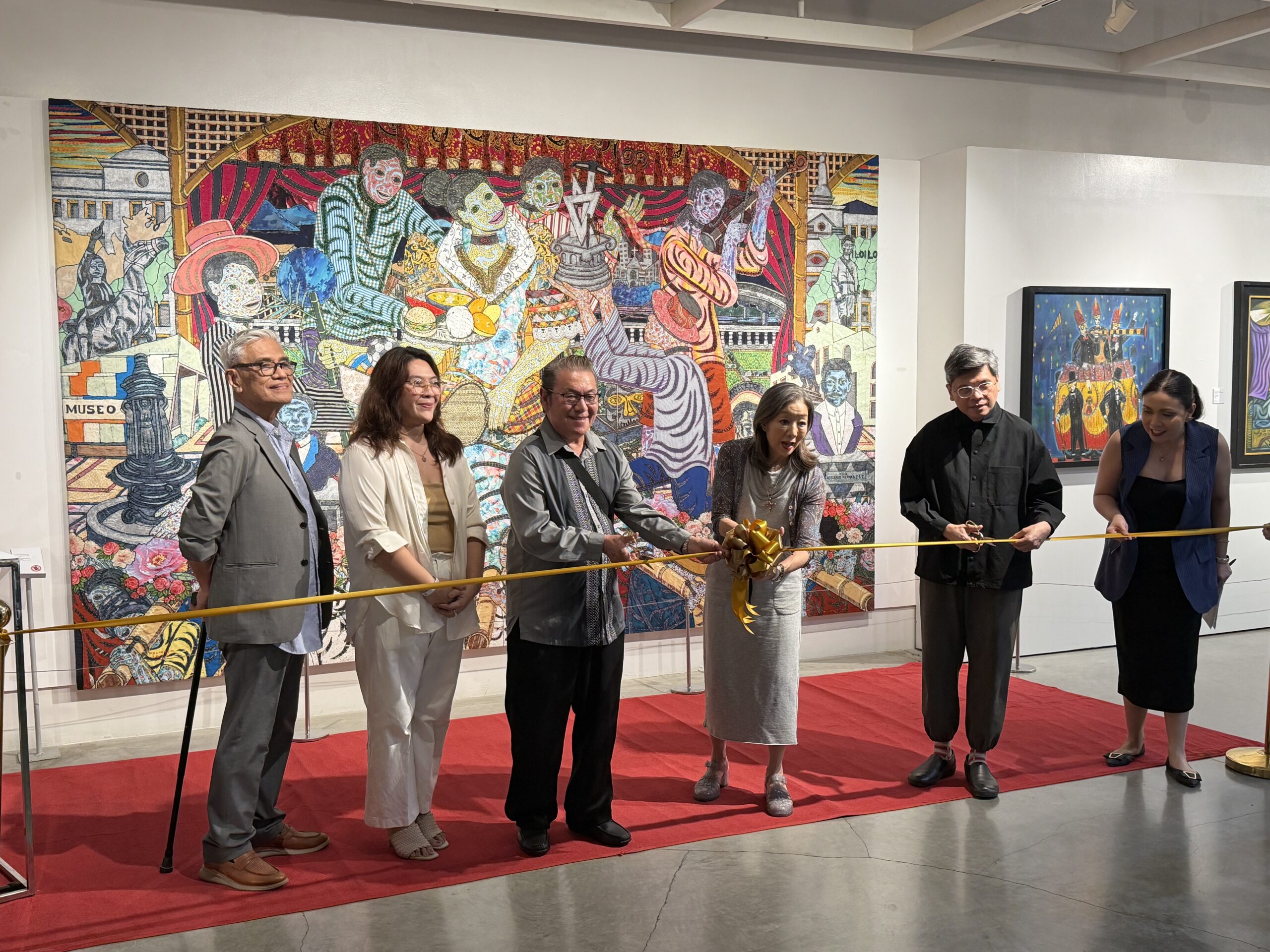
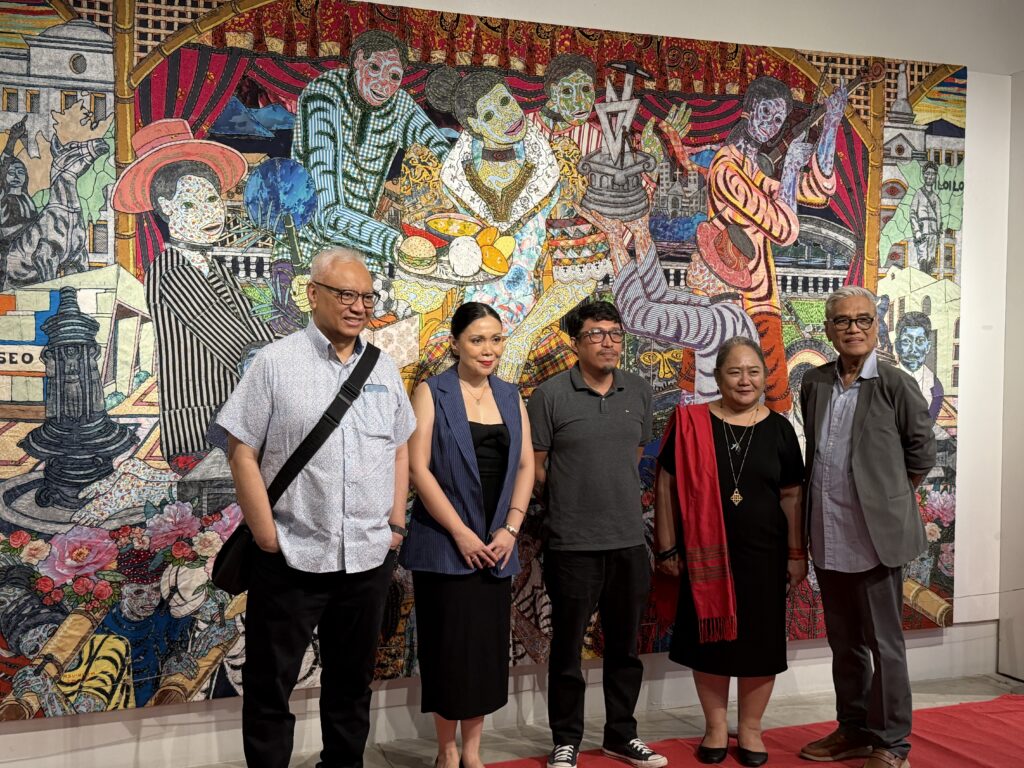
Present at the unveiling were Cedie Lopez-Vargas, Executive Director of the Lopez Museum and Library, alongside collector Edwin V. Valencia, Amado Alvarez, Regine Espinosa, Cid Reyes, and Patrick Flores—figures whose presence underscored the collaborative network that sustains artistic production and discourse.
The exhibition also introduced Valencia’s latest acquisition, a commissioned work by Melvin C. Guirhem, recipient of the Philippine Art Awards Grand Prize in 2020. Titled Irong-Irong Banwang Pinalangga, the large-scale textile and thread on canvas serves as the exhibition’s centerpiece, embodying both material intricacy and cultural memory.
Patubas Aning Ani frames the notion of harvest not as culmination, but as a passage, proposing each work as a site where effort and discernment converge. In this light, the exhibition resonates with the ongoing “quest for quality,” understood not as a fixed ideal but as a field of inquiry where artistic practice is continually honed, challenged, and carried forward.
Quest for Quality
Building on this sense of harvest, the exhibition finds deeper articulation in the ideas set forth in “Quest for Quality” by Patrick Flores. As Flores notes in the exhibition text, the Philippine Art Awards has, through the years, cast a wide net—creating opportunities for Filipino artists to enter an open field of practice and competition. In doing so, it enables them to situate their talent and expression alongside others, whether peers or mentors, emerging voices or seasoned practitioners. It becomes a shared platform where each participant is afforded the chance to test their work against another, without prejudice to reputation.
This program has also attempted to develop the resources of Philippine art. The most significant of these efforts include the freeing up of the obsolete and needless divisions between media in the visual arts and the integration of such forms as photography, video, and installation.
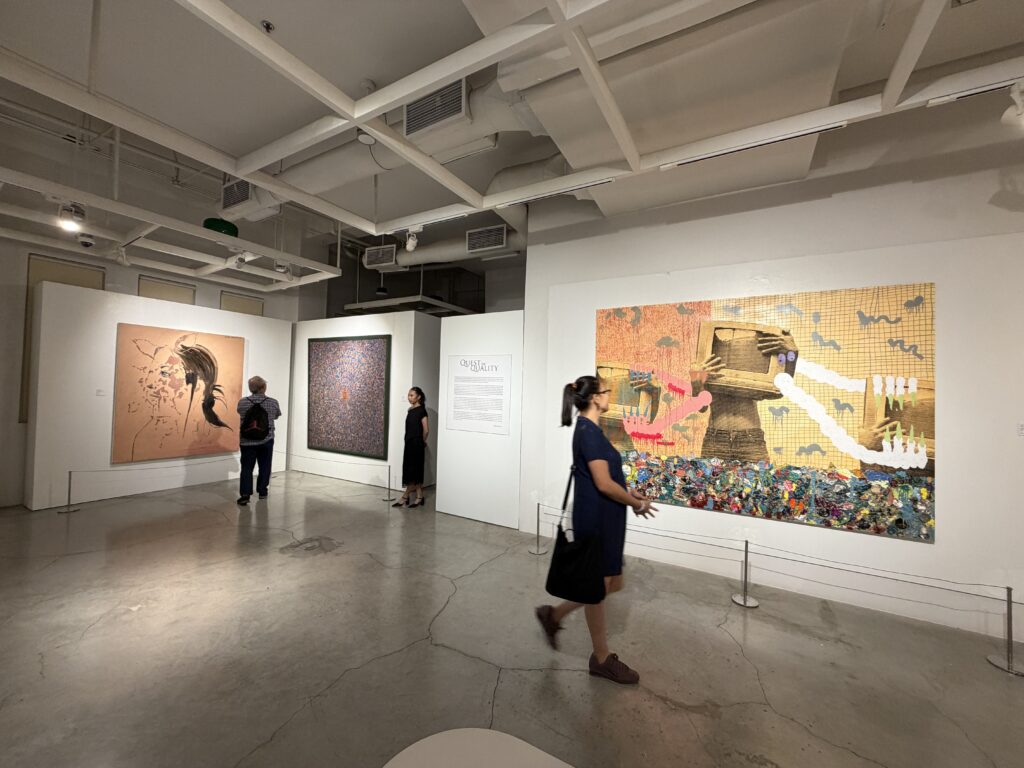
The widening of the latitude of the competition geographically through regional competitions with their own exhibitions has further extended the ambit of the initiative, enabling the communities beyond the center that is Manila to inflect the practice and the discourse of the contemporary in the country. It is currently the only truly national art program of competition and exhibition, pursuing a vision that has adequately invested in both curation and criticism and has patiently and diligently engaged the fraught category of “nation” and perhaps the afterlife of its oftentimes belabored “identity.”
In this effort, standards of quality are being constantly refined according to both the demands of the social environment and the aspirations to complexity in discourse and technology. While the figurative is still the preferred mode of depiction, the “real” has been substantially reworked within conceptualism, digital media, a return to abstraction and, most of all, a concern for greater interpretive performance through the codes of and references to a gamut of sources: folklore, subculture, everyday news, art history, politics, and the density and, sometimes, the luminosity of the “real.”
Also read: ILOMOCA and Iloilo’s Art Renaissance
Finally, social and aesthetic positions are cutting a sharper stance, specifically in relation to the defilement of both nature and person in our time and how the human agent is seen as complicit in its perpetuation and deliverance, how the social person and, therefore, society in its most ample and intimate reckoning, becomes deeply involved in the experience of a decline of values and, hence, of the “political.”
All these innovations harness the sensibilities of artists to seize the prospects to create art in a truly interdisciplinary and cross-regional atmosphere. This gathering of artists who have been conferred the highest honors from the competition through the years testifies to the gains of this sustained endeavor. It reveals the diversity of media and temperament. It scans expression across the archipelago. And it traces the transformation of both talent and tradition, marking the achievements of artists in the intersecting demands of skill, narrative, concept, material, and social response. Their art has become telling moments in the passage of contemporary culture.
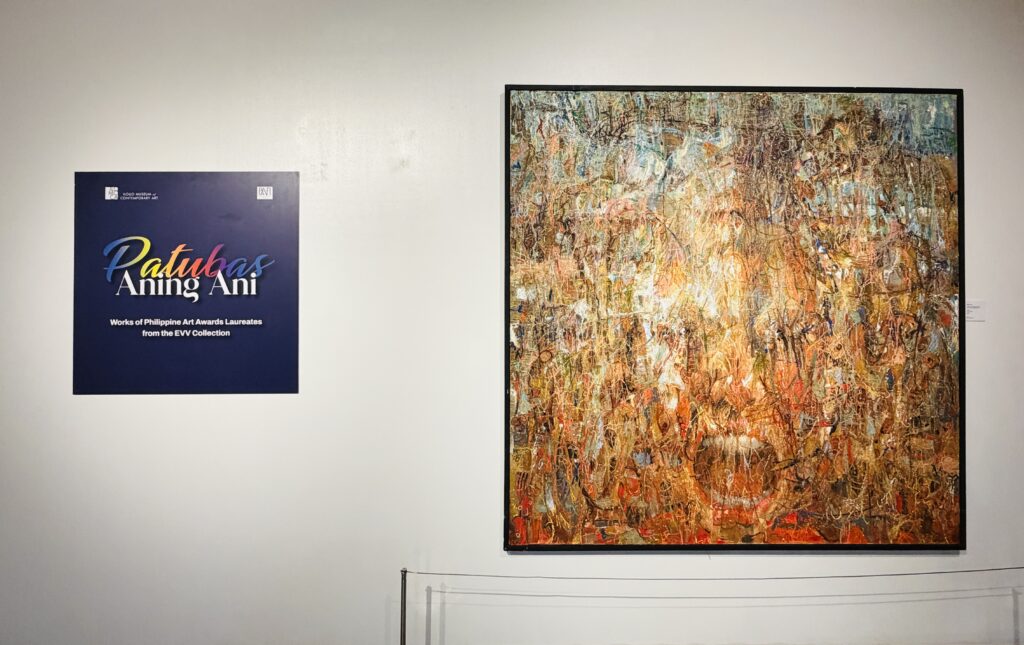
See the exhibition Patubas Aning Ani at ILOMOCA – 3rd Floor, Adoration Valencia Gallery.