
Tony Wuthrich’s Animetals at Theo’s: An Uncommon Study in Repoussé and Chasing
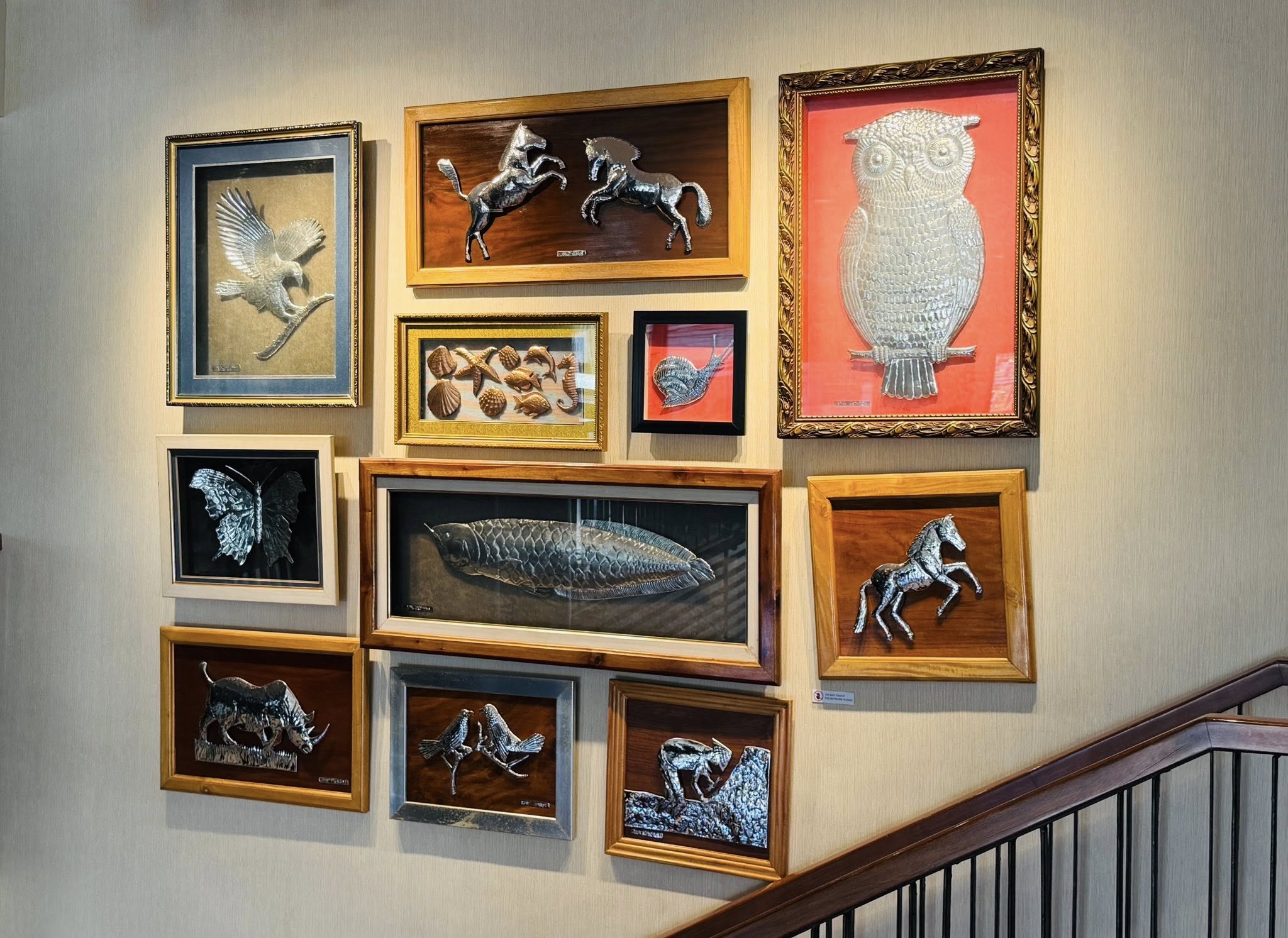
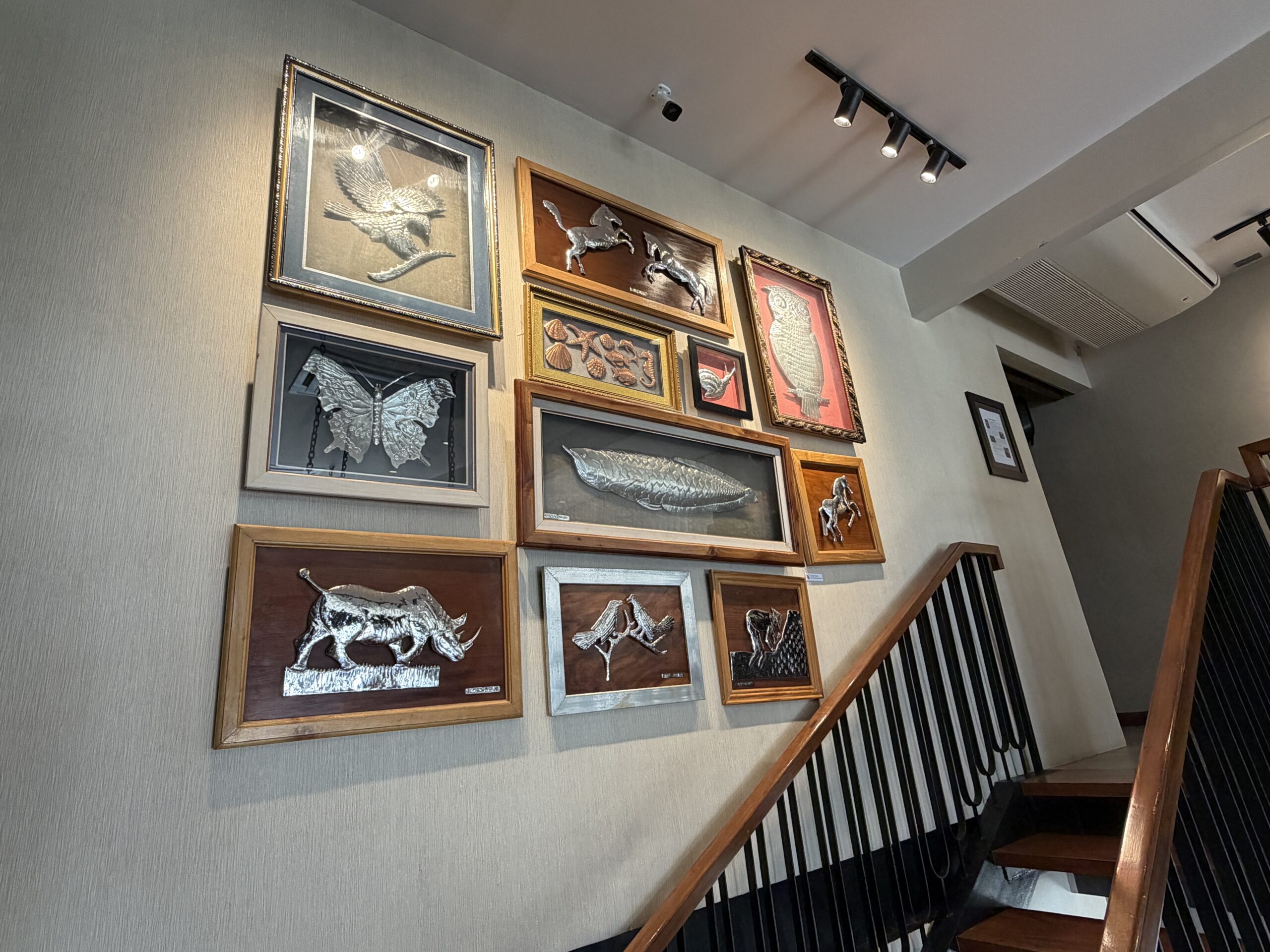
Tony Wuthrich’s “Animetals” at Theo’s Restaurant & Bakery at North Bloc in Tabuc Suba, Jaro, offers a rare encounter with the repoussé and chasing. By the stairway is a series of metal artworks: lovebirds, an eagle and an owl, horses, a rhinoceros, a butterfly, seashells and other aquatic forms, a large Arowana, and a farmer planting palay on a ricefield.
Repoussé and chasing, the techniques behind these works, are among the oldest in metalworking. Their roots stretch back thousands of years across civilizations such as Egypt, Greece, India, the Islamic world, and pre-Columbian America. Long before the rise of modern studio sculpture, these labor-intensive and entirely hand-driven methods were used to create intricate objects for decoration, ritual, armor, and fine metalcraft.
The two methods are conjunctive. In repoussé, malleable metal is shaped by hammering from the reverse side, forming a low-relief design. In chasing, the front surface is carefully worked to refine details and create depth. Together, they allow intricate forms to emerge from what was once a flat sheet of metal.
Today, these techniques persist mostly within specialized spheres; among traditional artisans and craft schools, in the restoration of historical objects, and in the practices of a small number of contemporary sculptors who choose to preserve hand-hammered methods. Their relative rarity reflects the dominance of modern fabrication processes such as welding, casting, and CNC machining, which enable faster and larger-scale production. In contrast, repoussé and chasing require time, patience, and direct contact with the material—qualities that resist industrial pace but give the work its tactile and human presence.
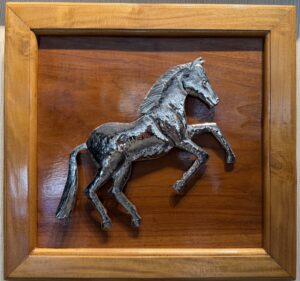
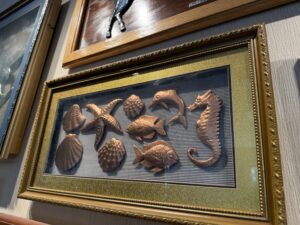
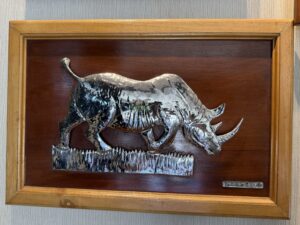
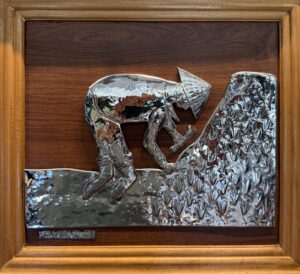
The artworks of the late Tony Wuthrich – “Animetals” at Theo’s shows his affinity with the nature
At first glance, the pieces may seem simple. Yet each one carries the life and values of its maker, Antonio “Tony” M. Wuthrich. For most of his years, he worked in the mining industry, eventually serving as Superintendent of the Mechanical Department at Maricalum Copper Mining Corporation in Sipalay, Negros Occidental. His world was defined by machinery, metal, and operations—quite removed from art so to speak.
It was only later in life that he discovered his passion for metal artmaking. At 75, while visiting his daughter, he watched her create handmade pieces. It was a lightbulb moment for him, realizing that even after a lifetime of mechanical work, he could still begin an artistic life, and cultivate a new way of seeing and creating.
While in Jaro area, drop by: Guy Custodio Paintings at Taohay NCCA Hulot Taliambong
When he returned to Iloilo, he began working quietly in his garage. In his 80s, he started shaping copper and steel into small artworks, which he would later call his “Animetals.” Most of the pieces drew inspiration from nature—animals caught in motion, rendered with patience and care. Each work was made by hand, often taking one to three days to complete.
Tony’s wife, Luz, stood beside him and supported his passion, while his children and grandchildren encouraged him to continue. What began as a simple pastime gradually deepened into something more meaningful—not only for him, but also for those who encountered his work.
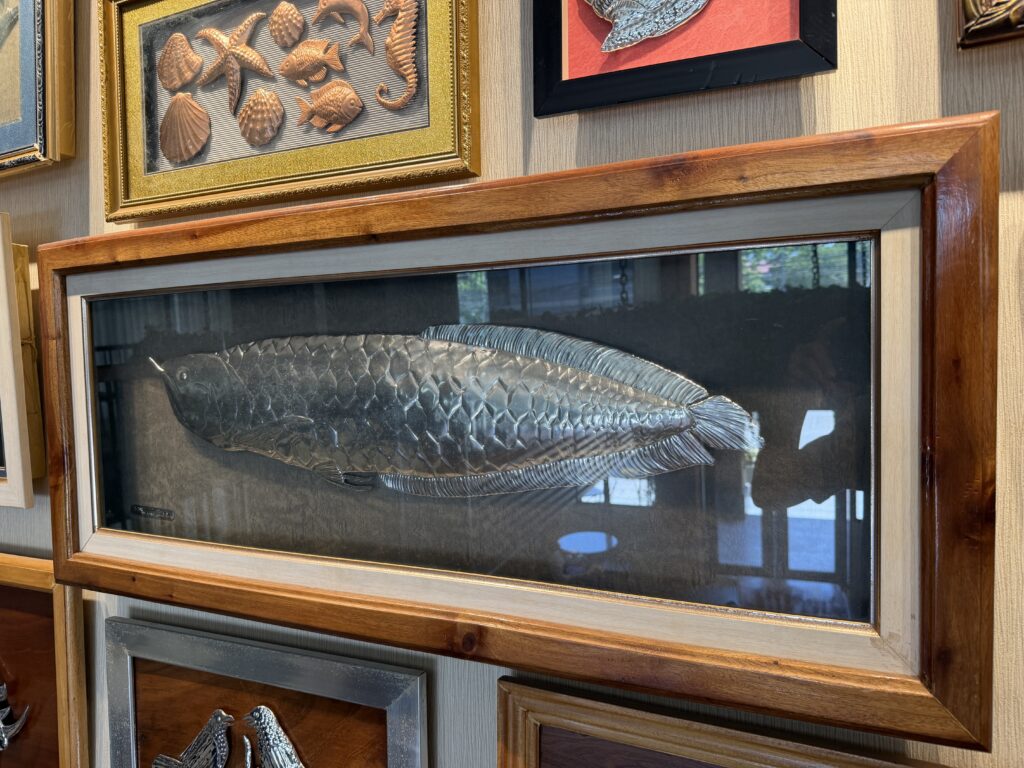
Over time, his creations grew in variety out of his explorations of new subjects and functionalities. He produced small tabletop pieces, framed works, garden ornaments, and even functional objects such as key and coat hangers. Using copper, steel, and wood, he shaped each piece with steady hands and attention.
In 2010, at the age of 83, he held a solo exhibition at the UPV Art Gallery, a moment that marked both recognition and renewal. It affirmed that it is never too late to begin, and never too late to share one’s work with others.
For many years, these pieces lived within the intimate space of the family home, quietly surrounding everyday life. Today, they are shared with the public, allowing more people to encounter them. Through “Animetals,” visitors see more than metal shaped by hand—they’ll witness how life unfolded for an artist like Tony Wuthrich and demonstrates how creativity can begin at any age.